
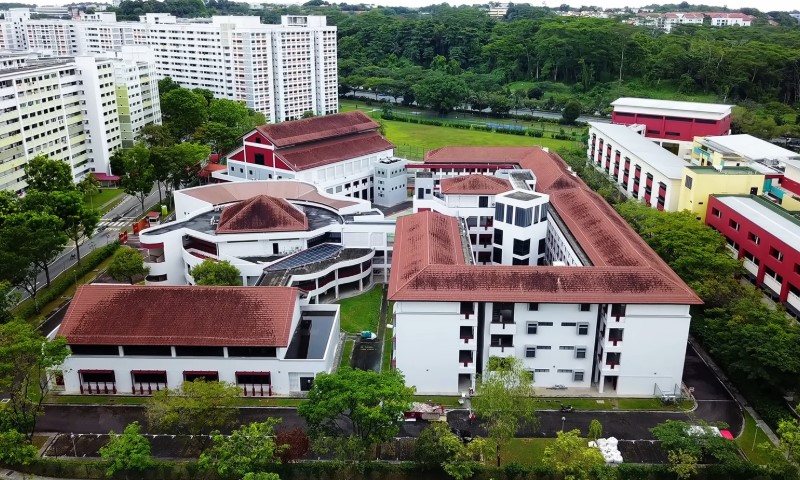
Singapore continues to attract skilled professionals and relocating families due to economic stability, public safety, and efficient urban planning.
Growing numbers of newcomers are now looking past traditional central neighborhoods and focusing on outer districts that offer daily convenience without premium pricing.
Jurong West, once viewed as distant and industrial, now ranks high among family-oriented choices thanks to transport upgrades, housing availability, and a wide social mix.
Multiple factors combine to position Jurong West as a practical residential option for both new arrivals and long-time residents seeking value and functionality.
Reimagining the “Far West” – Changing Perceptions of Jurong
View this post on Instagram
Older local slang once described Jurong as “ulu,” a label tied to distance, limited options, and an industrial image that discouraged many families.
Daily life in Jurong West now looks very different. Residential density, active streets, and constant movement replaced ideas of isolation.
A first-person account published by Rice Media captured this shift after a move to Jurong West, describing surprise at finding dining, retail, services, and transit access comparable to central districts, all concentrated within a single area.
Improved walkability and visible crowds reshaped how residents relate to the western side of Singapore.
Commercial growth accelerated these changes. Jurong Point became a focal space that merged transport access with social life, retail, and dining.
Expansion turned it into a daily meeting place serving students, parents, seniors, and workers.
Several figures demonstrate how scale and access reshaped public perception:
- Jurong West holds the status as Singapore’s second most populous district, with 267,524 residents
- MRT extension reaching Pioneer station in 2009 reduced travel friction and shortened commute times
- Three major commercial centers now operate nearby: Jem, JCube, and Westgate
Additional malls reinforced a pattern of localized living. Family routines now revolve around nearby schools, groceries, childcare, and entertainment rather than long trips into central areas.
Active foot traffic at nearly all hours replaced older narratives about quiet streets and limited nightlife.
Affordability and Housing Options
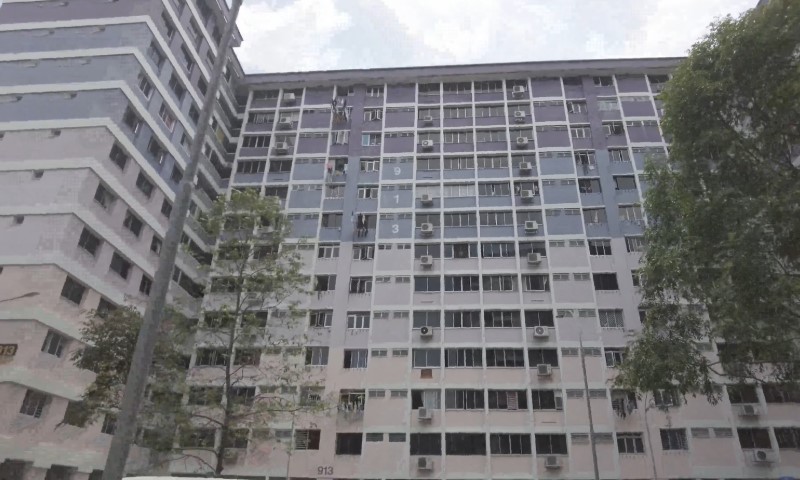
Housing variety remains a primary reason families gravitate toward Jurong West.
Residential stock comprises high-rise public apartments, aging low-rise blocks, and newer private condominiums situated near MRT stations.
Public flats dominate the area, reflecting a nationwide pattern where most residents live in government-built housing.
Numbers show how closely Jurong West mirrors broader housing trends:
- Around 85% of Singaporeans reside in HDB housing
- Boon Lay blocks built during the 1980s represent older estate planning styles
- Newer developments near Pioneer feature updated layouts and facilities
Private condominiums such as The Centris and Parc Vista attract employment pass holders and professionals who value amenities and proximity to transit.
Long-term residents continue to anchor HDB estates, creating intergenerational stability and strong neighborhood ties.
Ethnic balance policies tied to the CMIO framework remain enforced in public housing, shaping daily interactions and shared spaces.
Rental flexibility in private developments allows households to settle based on workplace location, school access, and lifestyle preferences.
Connectivity and Urban Infrastructure
Transport access reshaped how families assess Jurong West.
The East-West MRT line service connects residents to business districts, industrial parks, and educational institutions without long travel times.
Bus interchanges and expressways further support daily commuting patterns for dual-income households.
Infrastructure investment redirected the district away from its earlier industrial focus toward residential functionality.
Several factors illustrate how mobility supports everyday life:
- Direct MRT access links homes to CBD offices and western industrial zones
- Bus hubs near major malls serve school routes and work commutes
- Expressways shorten travel times for drivers heading east or north
Essential services cluster close to residential blocks. Jurong Point, wet markets, and NTUC FairPrice outlets handle daily shopping needs.
Proximity to Jurong Industrial Estate, JTC business parks, and port facilities provides employment options close to home.
Overcrowding during peak travel hours reflects high workforce participation and heavy reliance on public transport among families.
Multiculturalism and Superdiverse Living
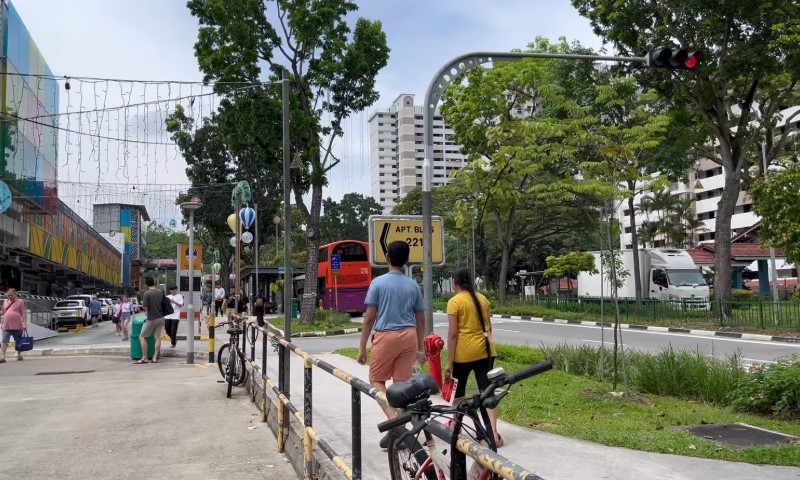
Social composition in Jurong West reflects long-established ethnic groupings alongside newer migration patterns.
Chinese, Malay, Indian, and Other communities share neighborhoods with migrants working in:
- Construction
- Domestic services
- Manufacturing
- Healthcare
- Professional sectors
Residents include households linked to Bangladesh, Myanmar, China, India, and the Philippines, shaping daily interactions across schools, transport, and food spaces.
Several indicators show how population structure influences daily life:
- Foreign residents made up roughly 38% of Singapore’s total population based on 2013 figures
- Repurposed dormitories and container housing accommodate lower-wage workers
- Private condominiums house middle-income migrants and expatriate families
Shared environments such as food courts, playgrounds, and MRT platforms serve as regular points of contact.
Small business clusters catering to specific communities influence street-level commerce.
Public housing policies continue to regulate ethnic balance, while private rentals allow some clustering tied to work schedules and social networks.
Education and Family-Oriented Institutions
School access shapes residential decisions for many families, and Jurong West offers broad coverage across age groups.
Neighborhood primary and secondary schools operate throughout the district, supported by libraries, sports complexes, playgrounds, and void decks that encourage community use and informal interaction.
International education options strengthen the area’s draw for foreign professionals, including international primary schools in Singapore.
Several institutions anchor demand:
- Canadian International School serving expatriate families
- Yuvabharathi International School is offering Indian curriculum pathways
- Nearby National University of Singapore and Nanyang Technological University
High student density contributes to a youthful atmosphere defined by constant movement and short-term stays.
Student housing increases rental demand and adds to cultural exchange across neighborhoods.
Retail and Lifestyle Offerings
Retail concentration in Jurong West rivals central shopping zones in scale and variety.
Jem, Westgate, and JCube operate close to major residential clusters, allowing families to combine errands, dining, and leisure within short walking distances.
JCube gained comparisons to Bangkok’s Chatuchak market due to its dense layout, affordable goods, and wide food selection.
Dining options span local favorites and international brands. Well-known outlets attract mixed crowds throughout the day:
- Tim Ho Wan
- Brotzeit
- Lady M
Jurong Point includes a themed Japanese street that offers immersive retail experiences without extended travel.
A Rice Media quote summarized local sentiment by describing Jem as Orchard Road without pretension or luxury branding excess, reinforcing how everyday convenience reshaped western Singapore’s image.
Summary
Jurong West reflects broader shifts in Singapore’s urban identity through practicality, accessibility, and social mix.
Growth stems not perfection but steady improvement and everyday usefulness.
Families searching for space, schools, transport access, and cost control increasingly favor western districts that deliver functional living conditions.
Jurong West no longer functions as a backup option. Growing populations, expanding amenities, and strong infrastructure place it firmly among preferred residential choices for both local households and families arriving in Singapore.