
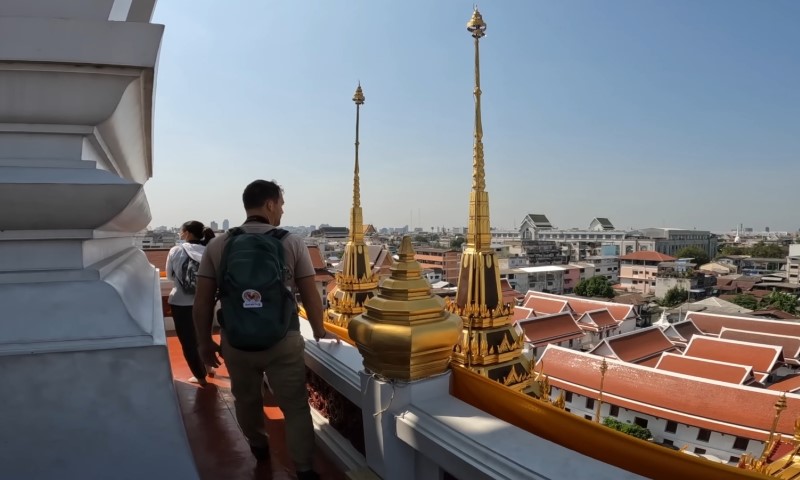
Southeast Asia continues to dominate global tourism in 2026 due to affordability, ease of movement, and an unmatched range of travel experiences.
Regional tourism boards, global media, and independent travel experts point to Southeast Asia as one of the most dynamic areas for international travel growth.
Improved infrastructure, rising interest in sustainable tourism, and increased access to second-tier destinations continue to reshape travel patterns across the region.
Travel forecasts for 2026 consistently mention Southeast Asia as a place where modern cities, ancient history, island escapes, and nature-driven adventures coexist within short travel distances.
Countries listed below represent a carefully selected group that balances iconic experiences, emerging travel trends, and long-standing popularity.
1. Singapore – The Futuristic Asian Metropolis
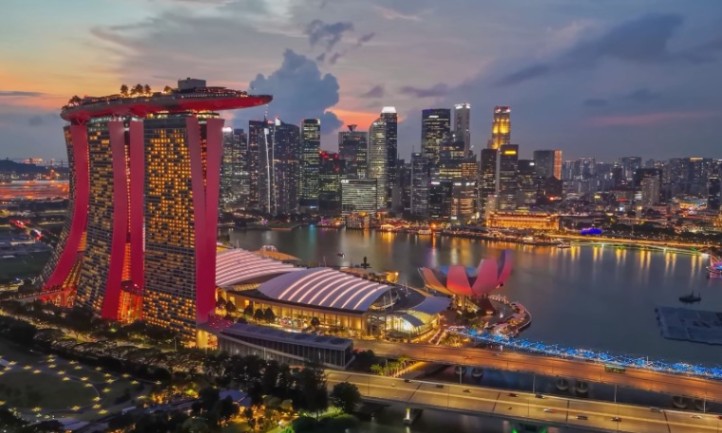
Singapore remains one of Asia’s most polished travel destinations in 2026. Global recognition continues due to efficient transport systems, strict cleanliness standards, and advanced urban planning.
Travel writers often describe Singapore as a futuristic city built with precision, offering visitors an easy entry point into Asia.
Modern architecture dominates Marina Bay while green urban design plays a central role across the city.
Culinary culture remains a major draw, with hawker centers offering Michelin-recognized meals at accessible prices. English language use allows smooth communication for international visitors.
Why Singapore fits 2026 travel trends
Singapore serves as a soft landing for travelers new to Asia. Public transport operates with near perfect reliability.
Food safety and hygiene remain among the best worldwide. Environmental innovation and sustainable city planning continue gaining attention.
Notable attractions include Gardens by the Bay, Supertree Grove, Marina Bay Sands, Sentosa Island, Universal Studios Singapore, Singapore Flyer, and Chinatown’s heritage trails.
2. Thailand – The All-in-One Backpacker and Resort Haven
Thailand continues to hold its position as one of Southeast Asia’s most visited countries.
Solo travelers, backpackers, families, and luxury seekers all find options suited to their travel style.
First-time visitors often select Thailand due to affordability, strong tourism infrastructure, and welcoming culture.
Bangkok offers nightlife, street food, and cultural attractions. Northern regions such as Chiang Mai attract travelers interested in trekking and wellness retreats. Southern islands continue drawing visitors seeking beaches and nightlife.
Why Thailand remains relevant in 2026
Travelers benefit due to Thailand’s balance of entertainment, cultural depth, and natural beauty.
Long-term travelers find strong digital nomad communities. Short-term visitors enjoy efficient domestic travel networks. Some digital nomads and travelers turn to online entertainment such as Chicken Road during downtime or transit days.
Emerging trends include wellness retreats in Pai and Chiang Mai, plus growing interest in lesser known routes like Mae Hong Son Loop and Koh Chang archipelago.
Best suited for budget travelers, first time Asia visitors, party focused trips, and remote workers.
3. Vietnam – The Ultimate Road Trip and Culinary Experience

Vietnam attracts travelers seeking adventure, food culture, and energetic cities.
Motorbike travel continues gaining popularity, with Vietnam widely regarded as Asia’s premier country for road based travel experiences.
Cities like Hanoi and Ho Chi Minh City offer intense energy, street markets, and world-class cuisine.
Rural regions provide limestone scenery, rice fields, and river systems that support trekking and outdoor travel.
Reasons Vietnam shines in 2026
Experiential travel growth continues across Vietnam. Motorbike loops, cave expeditions, and guided trekking attract adventurous travelers. Domestic tourism growth also improves services and infrastructure.
Key destinations include Ha Long Bay, Bai Tu Long Bay, Ninh Binh, and Phong Nha Kẻ Bang National Park which hosts the world’s largest caves.
Independent travel remains recommended due to occasional scams and mass produced tour offerings.
4. Indonesia – Adventure and Serenity Across Thousands of Islands
View this post on Instagram
Indonesia offers one of the widest ranges of travel experiences worldwide, spread across more than 17,000 islands.
Bali remains popular, yet increasing numbers of travelers pursue less crowded destinations.
Volcanic hikes, coral reefs, ancient temples, and remote villages shape Indonesia’s tourism identity.
Many travelers describe Indonesia as Southeast Asia’s final frontier due to its scale and cultural depth.
Why Indonesia gains traction in 2026
Tourism growth increasingly shifts toward Flores, Lombok, Sulawesi, Sumatra, Komodo, and Raja Ampat.
Ecotourism gains momentum across Borneo, particularly within Kinabatangan Wildlife Sanctuary and Gunung Mulu National Park.
Top experiences include Mount Bromo sunrise hikes, scuba diving in Raja Ampat, wildlife encounters, and cultural immersion in Yogyakarta.
5. Malaysia – Food-Focused Travel and Expanding Ecotourism
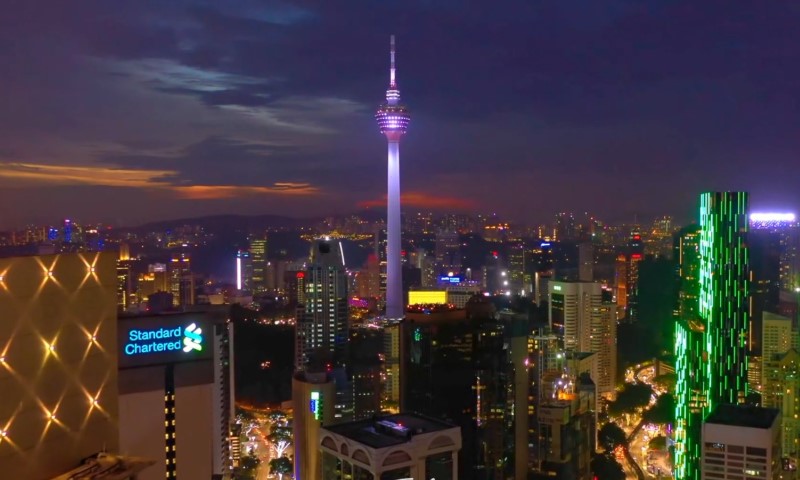
Malaysia earns global attention in 2026 due to international recognition of its food culture.
Travel publications rank Malaysia among the top destinations for food and drink, with the Malaysian breakfast receiving UNESCO acknowledgment.
Multicultural influences shape daily life across Malaysia. Urban centers provide modern comforts while rainforests and marine parks offer nature-focused adventures.
Reasons Malaysia stands out in 2026
Food tourism drives increased international arrivals. Nasi lemak, roti canai, and laksa attract culinary travelers.
Ecotourism continues expanding across Sabah and Sarawak.
Urban centers such as Kuala Lumpur, George Town, and Melaka showcase colonial architecture and vibrant street food scenes.
Outdoor activities include Mount Kinabalu climbs, Sipadan diving, and rainforest experiences in Taman Negara.
6. Philippines – Island Hopping and Cultural Encounters
Philippines tourism continues growing steadily as travelers search for less crowded island destinations. Over 7,000 islands provide endless options for beach-focused travel.
English fluency supports easier communication and cultural exchange.
Local hospitality remains one of the country’s strongest assets.
Why the Philippines gains attention in 2026
Island hopping routes across Palawan, Cebu, Siargao, Camiguin, and Siquijor attract travelers seeking clear waters and relaxed travel pace.
Surf culture thrives in Siargao while diving flourishes across Coron and Apo Reef.
Cultural influences reflect Spanish, American, and indigenous traditions.
Karaoke, fiestas, and historic churches remain part of daily life.
Extended stays in Manila remain discouraged due to congestion.
7. Cambodia – Ancient Temples and Low Key Coastal Escapes
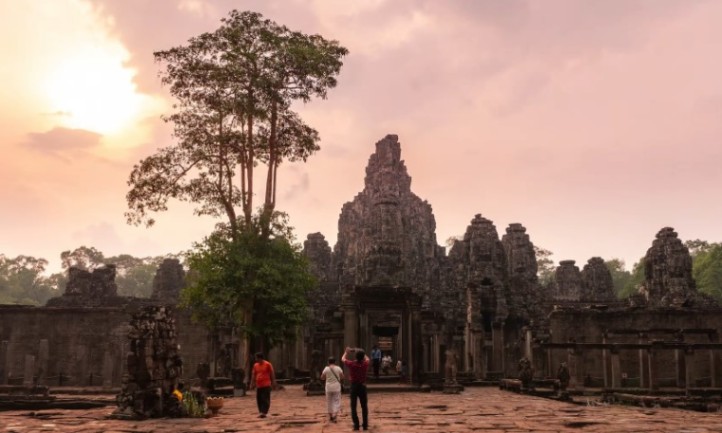
Cambodia continues attracting travelers interested in history and slower paced travel.
Angkor Wat remains one of Southeast Asia’s most important cultural sites.
Secondary destinations gain popularity as travelers look past heavily visited routes.
Coastal islands provide relaxed alternatives to busier beach regions elsewhere.
Why Cambodia fits 2026 travel trends
Angkor complex continues drawing visitors, while lesser-known ruins gain attention. Koh Rong Sanloem and Koh Ta Tiev attract travelers seeking low-impact beach stays.
Ecotourism grows within Cardamom Mountains, particularly Chi Phat village. Wildlife encounters include Irrawaddy dolphins near Kratie.
Travel advice suggests avoiding Sihanoukville due to overdevelopment.
Closing Thoughts
Southeast Asia offers unmatched value and variety in 2026. Singapore delivers modern efficiency. Thailand offers versatility. Vietnam rewards adventurous travel styles. Indonesia invites off grid discovery. Malaysia attracts food-focused travelers.
The Philippines delivers island experiences with warmth. Cambodia provides historical depth and quieter alternatives.
Key travel themes shaping 2026 include sustainable tourism, digital nomad communities, ecotourism growth, and increased interest in second tier destinations.