
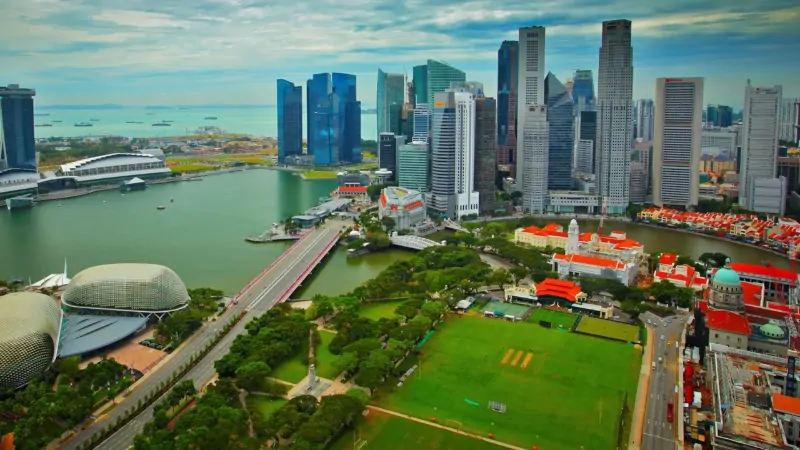
Imagine Singapore back in 1965. It had just become independent, kicked out of Malaysia, and honestly, things weren’t looking great. The place was a mess—slums everywhere, rivers so dirty they doubled as sewers, and unemployment through the roof.
With only 581 square kilometers of land and zero natural resources, you’d think they were doomed, right? But here’s where it gets interesting. Instead of giving up, Singapore’s leaders saw a chance to flip the script. They decided to build something totally different—a clean, green, modern city-state that could thrive despite the odds.
Back then, the population sat at about 1.9 million. Fast forward to today, and it’s climbed to 5.6 million, all squeezed into a space smaller than New York City.
Yet, somehow, they’ve managed to cover nearly half the island in greenery. How? It started with a vision from their first Prime Minister, Lee Kuan Yew. He didn’t just want a functional city; he wanted a “Garden City.” And boy, did they run with that idea.
The Garden City Vision Takes Root
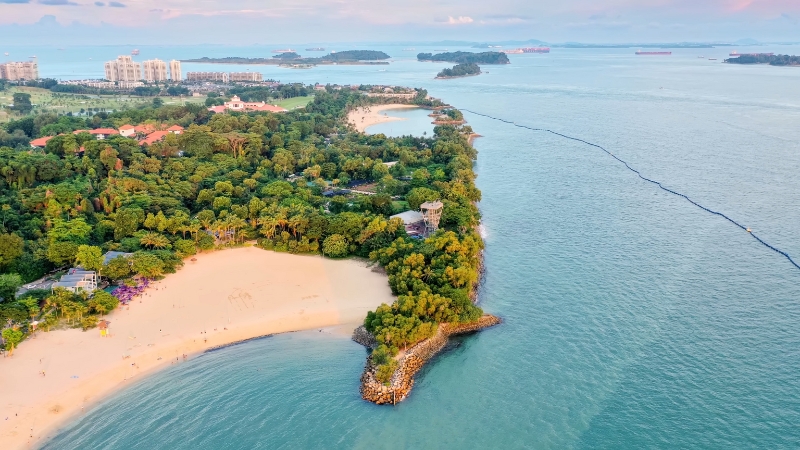
So, Lee Kuan Yew steps up in the ‘60s and says, “Let’s make Singapore a tropical garden.” Sounds ambitious for a place with barely any room to spare, doesn’t it?
But he wasn’t messing around. His crew kicked off massive cleanup projects—think scrubbing filthy rivers and canals, hauling trash out of the streets, and planting trees like there was no tomorrow. They didn’t stop at cosmetics either. Laws got strict—littering fines, pollution crackdowns, you name it. Singapore wasn’t playing games.
By the 1980s, green cover hovered around 36%. Not bad, considering the starting point. Today? It’s up to 47%, according to the Center for Liveable Cities. That’s almost half the island draped in trees, parks, and plants, even though every inch is urbanized.
You walk around now, and it’s hard to believe this was once a swampy mess. The government leaned hard into planning—every new building had to fit the green agenda.
Developers couldn’t just slap up concrete towers; they had to weave in gardens, terraces, or rooftop greenery. It’s like they said, “If we’re building up, we’re greening up too.”
Greenery in the Sky: A Game-Changer
View this post on Instagram
Speaking of building up, let’s talk about Singapore’s high-rise gardens. Since land is tight, they couldn’t spread out like other cities. Instead, they went vertical—and brought nature along for the ride. Take Marina Bay, for example.
Every project there follows a 100% greenery replacement policy. Chop down a tree on the ground? You’d better plant one on a rooftop or terrace to make up for it. Genius, right?
Skyscrapers drip with cascading plants, and rooftops bloom with edible gardens or recreational spaces. By 2015, skyrise greenery had jumped from 61 hectares to 72 hectares, thanks to incentives like the Skyrise Greenery Incentive Scheme.
Developers get cash to retrofit old buildings with green roofs or walls, and over 110 structures have gotten the treatment since 2009. You can stroll through the city and feel like you’re in a sci-fi jungle—except it’s real, and it’s working.
Smart Policies, Big Wins
Now, you might wonder how Singapore keeps all this green stuff going. It’s not just vibes—it’s policy, and they’re good at it. The government’s got a centralized system, so when they decide something’s a priority, it happens fast.
Back in 2005, they launched the Green Mark Scheme, a certification for sustainable buildings. Think of it like a gold star for eco-friendly design—categories range from Certified to Platinum, based on energy efficiency, water use, and indoor air quality. Since 2008, green building has been mandatory. No exceptions.
Almost 30% of Singapore’s land is covered by tree canopy, outpacing cities like Sydney or Vancouver, which sit at 25.9%, per MIT’s Senseable City Lab. Trees cool the place down, suck up carbon, and keep floods at bay during crazy rainstorms.
Plus, they’ve got over 7,800 hectares of green spaces—nature reserves, parks, you name it. That’s a ton for a city smaller than Rhode Island!
And it’s not just about plants. Singapore’s public transport is a beast—affordable, modern, and everywhere. The rail network cuts traffic congestion big time, and they’ve frozen car ownership growth.
Yep, you heard that right—they’re the only country in the world to cap vehicles like that. Less exhaust, cleaner air. Simple, but brilliant.
Water: Turning a Weakness into Strength
@mayasygne Singapore recycles 95% of its water 🩵 #support #innovation #newater ♬ Originalton – Maya
Here’s another wild twist—Singapore’s water game. With no natural freshwater sources, they could’ve been in deep trouble. Instead, they turned it into a flex. Meet NEWater: recycled wastewater so clean you can drink it. Sounds gross, but it’s a lifesaver.
By 2010, NEWater was pumping out 250,000 cubic meters a day, covering over 15% of the city’s needs. Today, it’s up to 40%, and they’ve got desalination plants too according to Global Water Forum.
The “Four National Taps” strategy—local catchments, imported water, NEWater, and desalination—keeps the taps flowing. They’ve even linked reservoirs to max out every drop of rain. Back in 2005, they aimed for desalinated water to hit 136,000 cubic meters daily, and they crushed it.
Now, Singapore’s waterworks are some of the greenest globally, powered partly by solar projects like the 60-megawatt-peak floating system at Tengeh Reservoir. By 2030, they want their water system running 100% on green energy. Bold move, and they’re on track.
People Power and a Little Tough Love
You can’t talk about Singapore’s green glow-up without mentioning the people. The government didn’t just dictate—they got everyone in on it. Public awareness campaigns drilled in the “clean and green” mantra. Kids grew up learning eco-consciousness in school, and citizens pitch in to keep streets spotless.
Ever heard of the “One Million Trees” project? It’s a plan to plant a million more trees by 2030, boosting carbon storage and shading the city.
Mangroves alone can soak up carbon three to five times faster than regular trees—smart pick there.
But it’s not all warm and fuzzy. Singapore’s strict. Fines for littering can hit $1,000, and chewing gum? Banned since 1992 unless it’s medicinal. Some call it a “benevolent dictatorship”—you get a pristine city, but freedom takes a hit. The press isn’t as free as in the West, and rules are tight.
Still, folks trade that for safety, jobs, and a killer quality of life. Over 90% own their homes, one of the highest rates worldwide, thanks to public housing that’s sleek and sustainable.
Livable Density: Making It Work for You
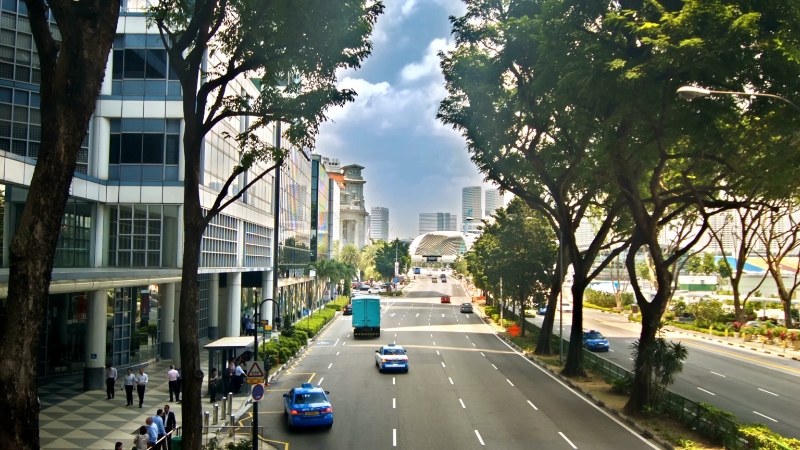
Here’s a big one—Singapore’s all about “livable density.”
With 7,800 people per square kilometer (second only to Monaco), they had to figure out how to pack everyone in without losing the plot. Enter Cheong Koon Hean, the urban planning legend who reshaped the skyline.
She pushed community-centric towns—23 of them—where you’ve got parks, schools, and shops a stone’s throw away.
Every household’s within a 10-minute walk of a park by 2030. That’s the goal, and they’re close.
High-density doesn’t mean cramped here. It’s about convenience—jobs pop up because talent’s clustered together, and rail links keep cars off the road.
Playgrounds cater to three generations, so grandparents, parents, and kids hang out together. It’s thoughtful stuff, and it shows how you can live big in a small space without feeling suffocated.
Challenges and the Road Ahead
Look, Singapore’s not perfect. They’ve got limits—tiny land, no space for massive solar farms or wind turbines. Net zero emissions? Tough when you’re a city-state with defense, industry, and homes all crammed in. But they’re not sitting still.
The Singapore Green Plan 2030 lays it out: more trees, better public transport, and a push for renewables. They’re testing floating solar, tweaking policies, and aiming to be a “living lab” for other cities.
Some critics say the greenness is a bit of a facade—only 0.3% of the island is primary forest now, down from 100% pre-colonization.
Development ate up 95% of the original vegetation. Wildlife clashes happen too—monkeys wander into neighborhoods, and folks complain.
But Singapore is fighting back with education and habitat restoration. They’re not just resting on their laurels; they’re adapting.
Why It Matters to You
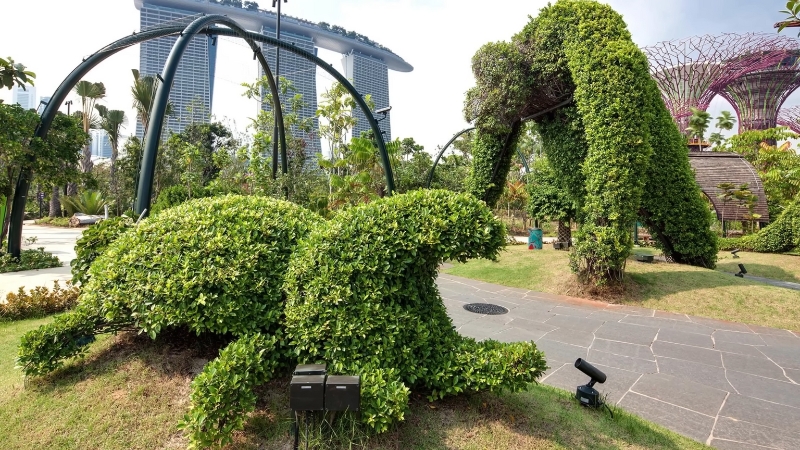
So, why should you care about Singapore’s green journey? Because it’s proof a city can grow fast, house millions, and still breathe.
You might live in a sprawling suburb or a chaotic urban hub, but Singapore’s got lessons—smart planning, tough rules, and a love for nature can coexist with progress.
They’ve turned a resource-starved island into a place with the fastest internet, lowest infant mortality, and air so clean you’d never guess it’s 100% urban.
Next time you’re sipping coffee on a concrete balcony, think about those Supertrees or rooftop gardens. Could your city pull that off? Singapore says yes—and they’ve got the stats to prove it.
From 36% green cover to 47% in a few decades, from slums to 90% homeownership, from open sewers to NEWater—it’s a glow-up worth cheering for. What do you say—ready to root for the little island that could?